

How a Principal Designer Shapes an Interior Design Concept?
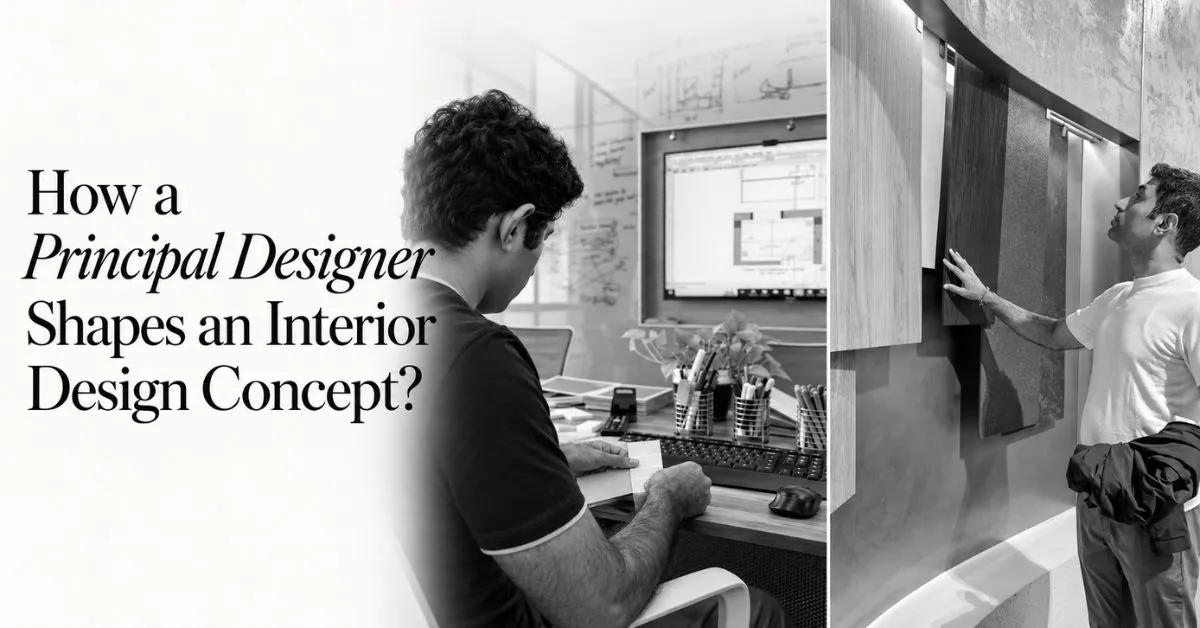
A successful interior begins with more than attractive furniture, colours, or decorative elements. It requires a clear vision that connects the client's lifestyle, the building's architecture, and everyday functional needs. This is where a principal designer plays an important role, transforming ideas and preferences into a cohesive plan that can be developed and executed.
Through thoughtful Interior Design, a principal designer establishes the direction of a project, balances visual appeal with practical requirements, and ensures that individual elements work together. From understanding the client's expectations to preparing technical drawings, every decision contributes to creating a space that feels purposeful, comfortable, and visually consistent.
1. Understanding the Client's Needs and Lifestyle
The first step is discovering what the client genuinely needs from the space. Beyond discussing preferred colours or styles, a principal designer explores daily routines, personal preferences, storage requirements, and practical challenges.
For example, a family may need flexible living areas and organised storage, while a professional may prioritise a dedicated workspace and a calm atmosphere. Understanding these details helps establish a meaningful design direction.
This stage of Interior Design Planning creates a foundation for decisions about layouts, furniture, lighting, materials, and the overall experience of the space.
2. Evaluating the Architecture and Available Space
Before developing a concept, the designer assesses the building's existing conditions. Room dimensions, natural light, ventilation, circulation, structural elements, and service locations can all influence what is achievable.
Effective Interior Space Planning considers how people move through a room and how each area can serve its intended purpose. A design that looks appealing in a presentation may not work well if it ignores access, proportions, or everyday movement.
By recognising these constraints early, the principal designer can develop solutions that respect the architecture while making the most of the available space.
3. Applying Core Interior Design Principles
Once the requirements and spatial conditions are understood, the designer develops a consistent visual direction. Principles such as balance, emphasis, rhythm, proportion, and harmony help determine how different elements relate to one another.
For instance, a focal point may draw attention towards an artwork or architectural feature, while repeated colours and finishes create visual continuity between rooms. Furniture scale and spacing also influence whether an interior feels comfortable or overcrowded.
A considered Interior Design Concept brings these principles together so that the space feels connected rather than like a collection of unrelated design choices.
4. Selecting Materials, Colours, and Finishes
Materials and finishes give a concept its character. Flooring, furniture, wall treatments, lighting fixtures, fabrics, and decorative accessories must complement one another while meeting practical requirements.
During Interior Design Material Selection, the principal designer considers appearance alongside durability, maintenance, suitability, and the intended use of each area. For example, frequently used spaces may require resilient finishes, while softer textures can introduce warmth into bedrooms or seating areas.
Layering materials thoughtfully creates depth without making the interior feel visually crowded. The aim is to achieve a balanced palette that supports the overall design direction and remains suitable for everyday use.
5. Translating Ideas into Visuals and Technical Plans
A concept becomes easier to understand when clients can see how it may look and function. Mood boards, colour palettes, layout drawings, and three-dimensional visualisations help communicate the proposed design before implementation begins.
However, visual presentation is only one part of the process. The principal designer must also coordinate technical requirements, including dimensions, electrical points, lighting positions, material specifications, and construction details where applicable.
This stage of Interior Design Visualization connects creative ideas with practical planning. Coordination with relevant consultants and execution teams helps identify potential issues early and reduces the likelihood of avoidable changes during implementation.
6. Maintaining Consistency from Concept to Execution
A well-developed concept needs clear direction throughout the project. Changes in materials, measurements, site conditions, or product availability can affect the original design if they are not reviewed carefully.
The principal designer helps maintain consistency by checking that key decisions align with the approved concept and functional requirements. Regular coordination, clear documentation, and timely communication support smoother execution.
A structured Interior Design Process helps ensure that changes are evaluated carefully and remain aligned with the original vision. Although adjustments may be necessary, the central design concept should guide decisions throughout implementation. This helps preserve the intended balance between appearance, usability, and project requirements.
Frequently Asked Questions
Q1. What does a principal designer do in an interior design project?
A principal designer establishes the creative direction, understands client requirements, evaluates spatial constraints, guides material and colour choices, and coordinates the concept with technical planning.
Q2. What is an interior design concept?
An interior design concept is the central vision that guides a project's layout, colours, materials, furniture, lighting, and overall visual identity.
Q3. Why is space planning important in interior design?
Space planning helps organise movement, furniture placement, and functional zones, ensuring the available area supports everyday activities comfortably.
Q4. How do designers turn concepts into practical spaces?
Designers use layouts, visualisations, technical drawings, material specifications, and coordination with execution teams to translate ideas into buildable plans.
Q5. What factors influence an interior design concept?
Key factors include client preferences, lifestyle, budget, architectural conditions, natural light, functional requirements, material suitability, and maintenance needs.
Conclusion
A principal designer shapes an interior by connecting client needs, architectural conditions, design principles, material choices, and technical planning into one coherent vision. Each stage builds on the previous one, helping transform initial ideas into spaces that are practical, visually harmonious, and ready for execution.
Ultimately, successful Interior Design is not simply about creating an attractive room. It is about making informed decisions that allow every element to contribute to the way a space looks, feels, and functions.
Expert Interior Design Services for Every Space
Interior Designer in Vadodara | Interior Designer in Gandhinagar | Interior Designer in Mumbai | Interior Designer in Anand | Interior Designer in Surat | Interior Designer in Ahmedabad
-