

How Interior Designers Balance Aesthetics and Functionality?
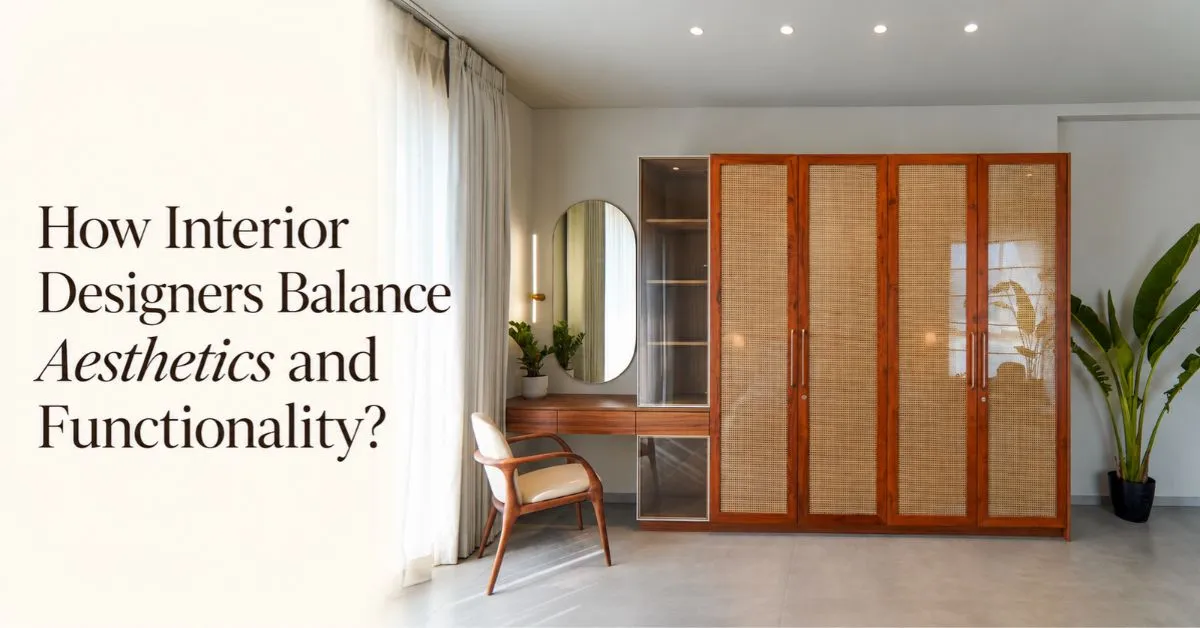
A beautiful home should do more than look attractive. It should support everyday activities, provide comfortable movement, offer sufficient storage, and reflect the preferences of the people living in it. Achieving this balance requires thoughtful planning, suitable materials, and attention to detail.
Successful Interior Design combines visual appeal with practical solutions, ensuring that every room looks cohesive while serving its intended purpose. From furniture placement to lighting and colour selection, each decision should improve the overall living experience without compromising comfort or usability.
1. Understanding Lifestyle and Daily Requirements
Every home has different requirements depending on family size, routines, preferences, and available space. Before choosing colours or furniture, designers need to understand how each room will be used.
For example, a family living room may require flexible seating and concealed storage, while a home office needs an organised workstation and appropriate lighting. Effective Aesthetic and Functional Interior Design begins by identifying these priorities and translating them into suitable design decisions.
2. Planning Layouts for Better Space Utilisation
A well-planned layout allows people to move comfortably and use each area efficiently. Furniture should suit the room's dimensions, while doors, windows, and circulation paths must remain accessible. Effective Interior Space Planning helps create a balance between comfort, functionality, and visual appeal.
Designers consider how different areas connect and whether furniture placement supports everyday activities. In compact homes, wall-mounted shelves, built-in wardrobes, and multifunctional furniture can help maximise usable space. Good planning also prevents overcrowding and maintains visual balance.
3. Selecting Furniture That Combines Style and Comfort
Furniture influences both the appearance and functionality of a room. Selecting pieces based only on their appearance may create practical problems if they are uncomfortable, oversized, or difficult to maintain.
A practical Functional Interior Design approach considers furniture dimensions, comfort, durability, and purpose. Storage beds, extendable dining tables, and coffee tables with concealed compartments can improve usability without sacrificing style. Coordinating shapes, finishes, and upholstery helps maintain a consistent look throughout the home.
4. Using Lighting to Improve Appearance and Usability
Lighting affects how a room looks, feels, and functions. A balanced lighting plan is an essential part of Functional Interior Design, combining different light sources to support specific activities while creating a comfortable atmosphere.
- Ambient lighting: Provides general illumination throughout the room.
- Task lighting: Supports activities such as cooking, reading, and working.
- Accent lighting: Highlights artwork, decorative features, or architectural details.
Natural light should also be considered when planning window treatments and furniture placement. Combining suitable lighting fixtures with a coordinated colour scheme helps create inviting spaces that remain practical throughout the day.
5. Choosing Suitable Colours, Textures, and Materials
Colours and textures establish a room's character, while materials influence durability and maintenance. The goal is to select finishes that complement the design style and suit the demands of everyday use.
For example, kitchens and frequently used corridors benefit from easy-to-clean surfaces, while bedrooms may use softer textures to create a relaxing atmosphere. A considered Interior Design approach balances colour, texture, and material quality instead of relying only on current trends.
6. Integrating Storage and Smart Solutions
Clutter can affect both the appearance and usability of a home. Designers therefore incorporate Aesthetic and Functional Interior Design principles when planning storage according to residents' needs, daily routines, and available space.
Built-in cabinets, organised wardrobes, floating shelves, and concealed storage can keep frequently used belongings accessible without making rooms feel crowded. Smart lighting controls and carefully positioned charging points may also improve convenience when they suit the household's needs.
7. Maintaining Consistency Without Losing Personal Style
A cohesive home does not require every room to look identical. Instead, repeating selected colours, finishes, or materials can create continuity while allowing each space to serve a different purpose. Thoughtful Interior Design helps maintain visual harmony while accommodating individual preferences and practical needs.
Personal photographs, artwork, plants, and meaningful decorative objects add character. The key is to use them thoughtfully so that personal expression enhances the room rather than obstructing movement or creating unnecessary clutter.
Frequently Asked Questions
Q1. How do interior designers balance aesthetics and functionality?
They combine attractive finishes, suitable furniture, efficient layouts, practical storage, and appropriate lighting to create comfortable and visually cohesive spaces.
Q2. Why is functionality important in interior design?
Functionality ensures that rooms support daily activities, provide comfortable movement, and remain convenient to use over time.
Q3. How can small homes look stylish and remain practical?
Use multifunctional furniture, vertical storage, appropriate lighting, and space-conscious layouts to maximise usability without overcrowding rooms.
Q4. How does lighting affect interior design?
Lighting improves visibility, supports specific activities, highlights design features, and influences the atmosphere of a room.
Q5. Which materials are suitable for functional interiors?
Suitable materials depend on the room's purpose, expected wear, maintenance requirements, and appearance. Durable, easy-to-clean finishes are often useful in high-traffic areas.
Conclusion
Balancing appearance with everyday usability requires careful planning and informed decisions. By considering lifestyle needs, layouts, furniture, lighting, materials, and storage together, Interior Design can create homes that feel attractive, comfortable, and practical. The most successful interiors are those that support daily living while reflecting the people who use them.
Expert Interior Design Services for Every Space
Interior Designer in Vadodara | Interior Designer in Gandhinagar | Interior Designer in Mumbai | Interior Designer in Anand | Interior Designer in Surat | Interior Designer in Ahmedabad
-