.jpg)
.png)
What Makes a Successful Interior Design Project?
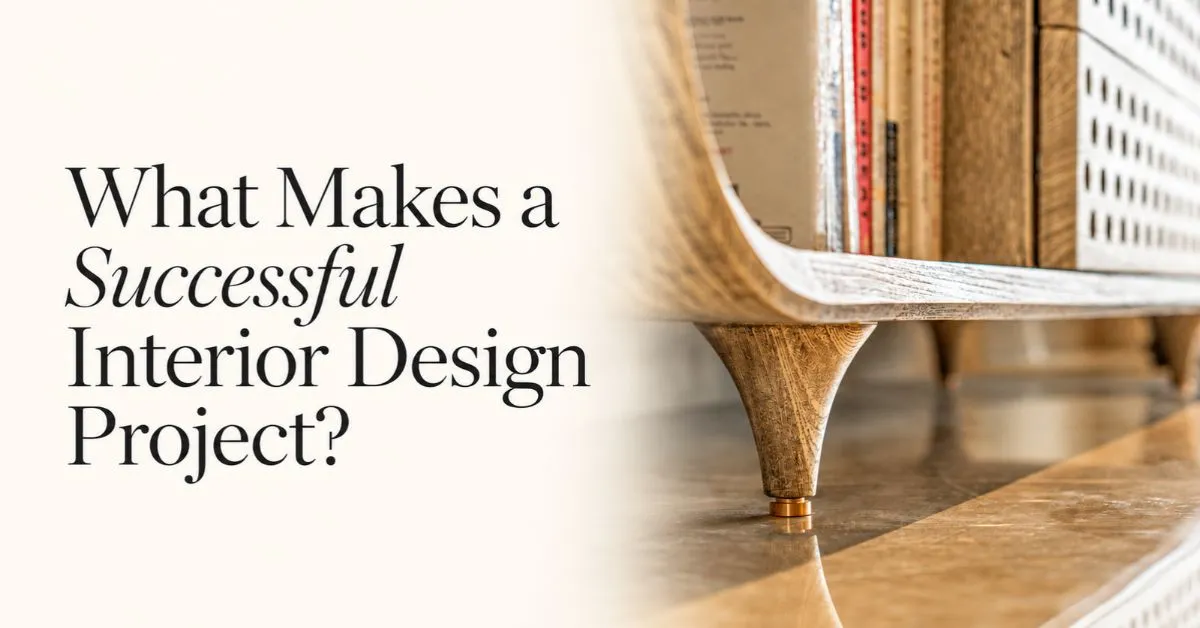
A successful Interior Design project is not simply about creating an attractive home. It is about making thoughtful decisions that work together, from understanding the homeowner's requirements to planning spaces, selecting materials, managing the budget, and executing the final design. A well-designed interior should look good, function comfortably, and remain practical for everyday life.
1. Start With a Clear Understanding of Requirements
Every home has different requirements. Before developing a design, it is important to understand how the occupants use their space and what they expect from it.
A proper consultation can consider:
- Lifestyle and daily routines
- Number of family members
- Storage requirements
- Preferred design style
- Furniture requirements
- Lighting preferences
- Budget and priorities
- Long-term needs
This initial understanding gives the Interior Design project a clear direction and prevents decisions from being based onlyon appearance.
2. Plan the Space Around Functionality
A beautiful room is not necessarily a successful room if it is uncomfortable to use. Furniture placement, movement, storage, lighting, and room proportions should work together.
Effective Interior Design Planning should consider how each space will actually be used. For example, a living room needs comfortable circulation around seating, while a kitchen needs convenient movement between cooking, preparation, and storage areas.
Good planning can help:
- Improve movement through rooms
- Make better use of available space
- Provide sufficient storage
- Reduce unnecessary furniture
- Position lighting according to activities
3. Create a Practical and Structured Design Process
Interior projects involve many decisions, and completing them without a defined process can create confusion. A structured Interior Design Process helps move the project from concept to execution in an organised manner.
The process may include:
- Initial consultation and requirement analysis
- Site measurement and space assessment
- Layout and design development
- Material and finish selection
- Detailed drawings and approvals
- Production and procurement
- Installation and site execution
- Final inspection and handover
Having clear stages makes it easier to track progress and identify decisions that need attention.
4. Keep Communication Clear
Communication is one of the most important parts of an interior project because several people may be involved in bringing the design to life.
Homeowners, designers, contractors, suppliers, and installation teams need to understand the same requirements. Clear communication should cover:
- Approved designs and drawings
- Material specifications
- Project timelines
- Changes and approvals
- Site-related issues
- Installation requirements
Consistent communication during the Interior Design Project can reduce misunderstandings and help resolve issues before they affect later stages.
5. Plan the Budget Carefully
A successful project should have a budget that reflects the actual scope of work. Costs can vary depending on the size of the home, materials, furniture, customisation, finishes, hardware, and other requirements.
Budget planning should identify priorities early. Homeowners can then decide where to invest more and where simpler alternatives may be suitable.
It is also useful to keep some flexibility for unexpected site conditions or changes. This makes Interior Project Management more realistic and reduces the possibility of major financial surprises during execution.
6. Select Materials Based on Use
Materials influence both the appearance and long-term performance of an interior.Choosing them only because they look attractive may not always be practical.
Consider factors such as:
- Durability
- Maintenance requirements
- Application
- Finish and appearance
- Availability
- Budget
- Expected frequency of use
For high-use areas, practical and easy-to-maintain materials may be more suitable. The right selection helps ensure that the finished Interior Design continues to perform well after handover.
7. Give Attention to Execution and Quality
The final result depends heavily on how accurately the approved design is implemented. Measurements, installation, alignment, finishes, hardware, lighting, and other details need to be checked during execution.
Effective Interior Design Execution should maintain consistency between the approved design and the finished space. Regular supervision can help identify problems early and reduce unnecessary rework.
Quality checks should not be limited to the final day. Reviewing work at different stages makes it easier to correct issues while they are still manageable.
8. Design for Long-Term Everyday Living
A successful interior should continue to work after the initial excitement of completion. Storage should remain useful, furniture should allow comfortable movement, and finishes should be practical to maintain.
This is where thoughtful Interior Design makes a lasting difference. Instead of focusing only on trends, the design should consider how the home may be used over the coming years.
Frequently Asked Questions
Q1. What makes an interior design project successful?
A successful project balances aesthetics with functionality, clear planning, communication, budget management, quality execution, and the homeowner's everyday requirements.
Q2. Why is planning important in interior design?
Planning helps organise layouts, furniture, storage, materials, lighting, and other requirements before execution, reducing unnecessary changes and improving space utilisation.
Q3. How does communication affect an interior project?
Clear communication keeps homeowners, designers, contractors, and suppliers aligned on designs, materials, timelines, approvals, and changes.
Q4. Why is material selection important for interior design?
Materials affect durability, maintenance, appearance, functionality, and budget, so they should be selected according to how and where they will be used.
Q5. What are the key elements of a successful interior design project?
A successful Interior Design project combines clear planning, functional space utilisation, effective communication, budget management, suitable materials, quality execution, and attention to the homeowner’s everyday needs.
Conclusion
A successful interior design project brings together functionality, planning, communication, budget control, material selection, execution, and quality. When these elements are considered together, the result can be a home that looks well designed while also being comfortable and practical.
The strongest Interior Design projects are not simply those that look impressive on completion. They are the ones that continue to work well for the people who live in them, making everyday spaces comfortable, organised, functional, and easy to use over time.
Expert Interior Design Services for Every Space
Interior Designer in Vadodara | Interior Designer in Gandhinagar | Interior Designer in Mumbai | Interior Designer in Anand | Interior Designer in Surat | Interior Designer in Ahmedabad
-