.jpg)
.png)
Common Mistakes in Home Interior Design
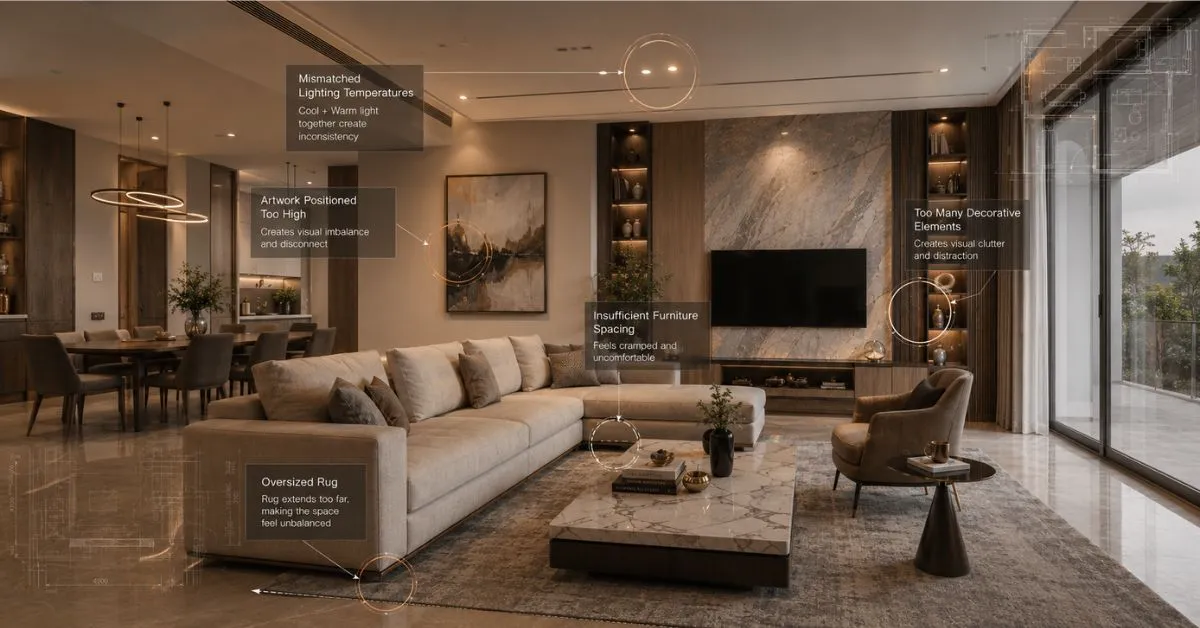
Creating a beautiful home is more than choosing stylish furniture or attractive colours. Every design decision, from space planning to lighting and storage, influences how comfortable and functional your home will be. While many homeowners spend time collecting inspiration from magazines and social media, they often overlook the practical aspects that make a space enjoyable for everyday living. These small oversights can lead to expensive modifications, cluttered rooms, poor functionality, and interiors that fail to meet changing family needs.
A thoughtfully planned Home Interior Design combines aesthetics with practicality, ensuring every room is designed around the people who use it. Whether you are renovating an existing house or designing a new one, avoiding common mistakes can save time, reduce unnecessary expenses, and create a home that remains comfortable for years. Professional Interior Design focuses on balancing layout, lighting, materials, storage, and functionality so that every space works together seamlessly. Well-planned Home Interiors not only improve your daily lifestyle but also add lasting value to your property.
This guide explores the most common mistakes homeowners make and provides practical ways to avoid them before they become costly problems.
Why Do Homeowners Make Interior Design Mistakes?
Most design mistakes don't happen because homeowners lack creativity-they happen because planning often begins with appearance instead of functionality. People naturally focus on selecting colours, furniture, flooring, and decorative items because these are the most visible aspects of a home. However, successful Home Interior Design begins long before these choices are made.
Without a clear design strategy, homeowners may purchase furniture that doesn't fit the room, choose finishes that require constant maintenance, or overlook storage until the project is almost complete. These decisions can affect both the appearance and usability of the home.
Another common challenge is following online trends without considering individual lifestyles. A design that looks impressive in a photograph may not be suitable for a family with children, elderly parents, or limited space. Every home has unique requirements, and effective Interior Design considers factors such as room dimensions, natural lighting, daily routines, storage needs, and future lifestyle changes.
Well-planned Home Interiors are built around functionality first and aesthetics second. When these priorities are balanced from the beginning, the final result feels comfortable, organized, and timeless rather than simply fashionable.
Starting Without a Clear Home Interior Design Plan
Many homeowners begin purchasing furniture or selecting finishes before establishing a complete design plan. While this approach may seem quicker, it often leads to inconsistent layouts, unnecessary expenses, and multiple design revisions later. A successful Home Interior Design project starts with a clear understanding of how every room will function and how different spaces will connect with one another.
Planning allows homeowners to define priorities before construction or renovation begins. For example, deciding the location of wardrobes, electrical points, lighting fixtures, and storage units early prevents expensive modifications after installation. It also ensures that furniture sizes, circulation paths, and room proportions work together instead of competing for space.
Without proper planning, homeowners frequently encounter challenges such as:
- Furniture blocking natural movement.
- Insufficient electrical outlets.
- Poor storage planning.
- Uneven lighting across rooms.
- Mismatched materials and finishes.
- Higher renovation costs due to last-minute changes.
Professional Interior Design begins with detailed layouts, furniture planning, lighting concepts, and material selection before any work starts. This organized approach reduces uncertainty and helps create Home Interiors that remain practical and visually balanced throughout the home.
Ignoring Space Planning and Room Flow
One of the most common mistakes in Home Interior Design is assuming that every room should be filled with furniture. In reality, a well-designed home is not defined by the number of items it contains but by how comfortably people can move and interact within the space.
Space planning determines how each room functions. It considers furniture placement, walking paths, natural light, ventilation, and the relationship between different areas of the home. When these factors are ignored, even expensive interiors can feel cramped and uncomfortable.
For example, placing a large sofa in a compact living room may reduce walking space, block natural light, and make the room appear smaller than it actually is. Similarly, oversized dining tables or bulky wardrobes can limit accessibility and reduce everyday convenience.
Good Interior Design focuses on maintaining balance between occupied and open spaces. Every piece of furniture should serve a purpose without restricting movement. Designers often begin by measuring circulation zones before selecting furniture dimensions, ensuring each room feels open and functional.
Simple ways to improve room flow include:
- Keeping clear walking pathways between furniture.
- Choosing furniture proportional to the room size.
- Using multifunctional furniture where appropriate.
- Maintaining visual balance through thoughtful layouts.
- Avoiding unnecessary decorative items that create clutter.
Well-planned Home Interiors make everyday activities easier while creating a more spacious and inviting environment, regardless of the home's size.
Choosing Furniture Before Measuring the Space
Furniture is often the highlight of any home, but selecting it before measuring the available space is a mistake that can affect both functionality and aesthetics. During Home Interior Design, furniture should complement the room rather than dominate it.
Many homeowners purchase furniture after seeing attractive showroom displays or online images. However, these settings rarely represent the exact dimensions or layout of their own homes. As a result, furniture may block windows, reduce circulation space, interfere with door openings, or overwhelm smaller rooms.
Size is only one part of the decision. Furniture should also match the intended use of the space. A living room designed for family gatherings has different requirements than one primarily used for entertaining guests.
Bedrooms should prioritize comfort and storage, while dining areas should allow easy movement around the table.
Professional Interior Design considers several factors before selecting furniture, including room dimensions, ceiling height, traffic flow, storage needs, and future flexibility. This approach ensures every piece contributes to the overall functionality of the home instead of creating obstacles.
Before purchasing furniture, homeowners should:
- Measure the room accurately.
- Mark furniture positions on the floor if possible.
- Leave comfortable walking space around large items.
- Consider multifunctional furniture for compact homes.
- Match furniture proportions to room dimensions.
Thoughtfully selected furniture enhances Home Interiors by improving comfort, organization, and long-term usability instead of simply filling available space.
Poor Lighting Planning Affects Everyday Living
Lighting is one of the most overlooked aspects of Home Interior Design, yet it has a significant impact on how every room looks and functions. Many homeowners rely only on ceiling lights, assuming a single source of illumination is enough for the entire space. In reality, effective lighting requires careful planning to support different activities throughout the day.
Natural light should always be maximized wherever possible, as it improves comfort, enhances colours, and creates a welcoming atmosphere. Artificial lighting should then complement natural daylight by providing the right level of brightness for cooking, reading, working, relaxing, or entertaining.
Professional Interior Design typically uses multiple layers of lighting instead of depending on one fixture. Ambient lighting provides general illumination, task lighting supports specific activities, and accent lighting highlights artwork, textures, or architectural features. Together, these layers create depth while improving functionality.
Poor lighting can result in dark corners, eye strain, reduced productivity, and interiors that feel smaller than they actually are. It may also affect the appearance of wall colours, furniture finishes, and decorative elements.
A well-planned lighting strategy helps Home Interiors feel brighter, more comfortable, and visually balanced while supporting everyday activities across every room.
Forgetting Storage Requirements
Storage is often planned after the furniture has been selected or construction is nearly complete. By that stage, homeowners realize there isn't enough space to organize daily essentials, leading to cluttered rooms and compromised functionality. A successful Home Interior Design project considers storage from the very beginning, ensuring every room remains organized without sacrificing aesthetics.
Different areas of the home have unique storage needs. Bedrooms require wardrobes and drawers, kitchens need efficient cabinet layouts, living rooms benefit from concealed storage, and bathrooms require dedicated space for essentials. Ignoring these requirements often results in additional cabinets that disrupt the overall design or reduce usable floor space.
Well-planned Interior Design integrates storage into the architecture rather than treating it as an afterthought. Custom wardrobes, under-bed storage, built-in shelving, and multifunctional furniture help maximize available space while maintaining a clean and uncluttered appearance.
Some practical storage solutions include:
- Floor-to-ceiling wardrobes for better space utilization.
- Built-in TV units with concealed storage.
- Window seating with hidden compartments.
- Multi-purpose furniture for compact homes.
- Customized kitchen cabinets based on daily usage.
Thoughtfully designed Home Interiors remain functional because everything has its place, making everyday living more comfortable and stress-free.
-
Selecting Materials Only for Appearance
Materials play an important role in both the beauty and durability of a home. One of the biggest mistakes homeowners make during Home Interior Design is choosing finishes solely because they look attractive without considering maintenance, durability, or suitability for everyday use.
For example, glossy surfaces may look elegant but often require frequent cleaning because they easily show fingerprints and dust. Similarly, delicate materials may not withstand the wear and tear of busy family homes. A material that performs well in a showroom may not always be practical in everyday living.
Professional Interior Design balances appearance with functionality by selecting materials based on how each space will be used. Kitchens, bathrooms, children's rooms, and high-traffic areas require durable finishes that are easy to maintain while still complementing the overall design theme.
When choosing materials, homeowners should consider:
- Ease of maintenance.
- Resistance to moisture and stains.
- Durability for long-term use.
- Compatibility with the overall design.
- Safety and comfort for all family members.
Choosing practical materials ensures Home Interiors continue to look attractive with minimal maintenance while reducing future repair or replacement costs.
Following Trends Instead of Your Lifestyle
Interior design trends are constantly evolving, and while they can provide inspiration, they shouldn't dictate every design decision. One of the most common mistakes in Home Interior Design is trying to replicate trending interiors without considering personal needs, available space, or long-term usability.
A home should reflect the lifestyle of the people who live in it rather than simply following what's popular online. Large decorative features, bold colour schemes, or oversized furniture may look impressive in photographs but can become impractical in everyday living.
Effective Interior Design focuses on creating timeless spaces that remain functional even as trends change. Homeowners can still incorporate contemporary elements, but they should do so in ways that are easy to update, such as through lighting, décor, artwork, or accessories instead of permanent structural changes.
A balanced approach includes:
- Choosing timeless layouts over temporary trends.
- Investing in quality furniture.
- Using neutral colours as a long-term foundation.
- Adding trendy elements through accessories.
- Prioritizing comfort and practicality.
This approach creates Home Interiors that remain stylish for years without requiring frequent renovations.
Not Planning for Future Family Needs
Many homeowners design their homes around their current lifestyle without considering how their needs may change over time. A growing family, elderly parents, remote work requirements, or changing storage needs can significantly impact how a home functions. Planning ahead is an essential part of Home Interior Design because it reduces the need for costly renovations in the future.
Flexible layouts allow rooms to adapt as your lifestyle evolves. For instance, a guest room today may become a children's room or a home office later. Similarly, additional storage, wider circulation spaces, and durable materials help ensure the home remains practical as family needs change.
Professional Interior Design considers long-term usability by creating spaces that can be modified without major structural changes. This approach improves comfort while protecting your investment over the years.
Future-ready planning includes:
- Flexible room layouts.
- Additional electrical points.
- Adaptable storage solutions.
- Durable materials.
- Furniture that serves multiple purposes.
Planning for tomorrow helps create Home Interiors that continue to support your lifestyle as it evolves.
Why Professional Interior Design Prevents Costly Mistakes?
While homeowners often have a clear vision for their dream home, turning those ideas into functional spaces requires technical expertise and careful planning. Professional Home Interior Design goes beyond selecting colours and furniture-it considers layout efficiency, lighting, storage, material selection, ergonomics, and long-term maintenance.
Experienced designers evaluate how each room will be used before recommending design solutions. They identify potential challenges early, coordinate different aspects of the project, and ensure every design decision contributes to a cohesive and practical home.
Working with an Interior Design professional offers several advantages:
- Better space optimization.
- Efficient storage planning.
- Balanced lighting design.
- Appropriate material selection.
- Consistent design throughout the home.
- Reduced renovation errors.
- Better project coordination.
Investing in expert guidance helps homeowners create Home Interiors that are visually appealing, functional, and designed to stand the test of time.
A Home Interior Design Checklist Before You Begin
Before starting your project, take a step back and evaluate your priorities. A clear plan reduces unnecessary expenses and helps create interiors that support your lifestyle for years to come. Whether you are building a new home or renovating an existing one, this simple checklist can guide your decisions.
- Understand your family's daily routine before planning layouts.
- Measure every room accurately before purchasing furniture.
- Plan storage solutions for every space.
- Finalize lighting and electrical layouts early.
- Choose materials based on durability and maintenance.
- Maintain comfortable walking space between furniture.
- Balance aesthetics with functionality.
- Keep flexibility for future lifestyle changes.
- Invest in quality over short-term trends.
- Consult an experienced Interior Design professional before execution.
Following these steps helps ensure your Home Interior Design project delivers lasting comfort, functionality, and visual harmony.
Frequently Asked Questions
Q1. What is the most common mistake in Home Interior Design?
The most common mistake is starting without a proper plan. Planning layouts, lighting, storage, and furniture early helps avoid costly changes later.
Q2. Why is space planning important in Interior Design?
Space planning improves movement, furniture placement, and room functionality, ensuring every area is comfortable and practical for everyday living.
Q3. How can I make my Home Interiors more functional?
Focus on smart storage, suitable furniture sizes, layered lighting, durable materials, and layouts that match your family's lifestyl
Q4. Should I follow the latest interior design trends?
Trends can inspire your design, but it's better to prioritize timeless layouts and functional solutions while using décor and accessories to introduce current styles.
Q5. Is hiring an interior designer worth it?
Yes. Professional Interior Design helps optimize space, improve functionality, avoid expensive mistakes, and create Home Interiors that provide long-term comfort and value.
Conclusion
Designing a home is a long-term investment, and avoiding common mistakes can make a significant difference in how your spaces look and function. From planning layouts and selecting the right furniture to choosing durable materials and incorporating adequate storage, every decision contributes to the overall success of your Home Interior Design. Rather than focusing only on aesthetics, homeowners should prioritize functionality, comfort, and adaptability to create spaces that support everyday living.
Professional Interior Design helps transform ideas into practical solutions by balancing design with usability. Thoughtfully planned Home Interiors remain organized, comfortable, and visually appealing while adapting to changing family needs over time. By taking the time to plan carefully and making informed decisions, you can create a premium home that delivers lasting value and enhances your lifestyle for years to come.
Expert Interior Design Services for Every Space
Interior Designer in Vadodara | Interior Designer in Gandhinagar | Interior Designer in Mumbai | Interior Designer in Anand | Interior Designer in Surat | Interior Designer in Ahmedabad