.jpg)
.png)
Modern Villa Architecture Trends
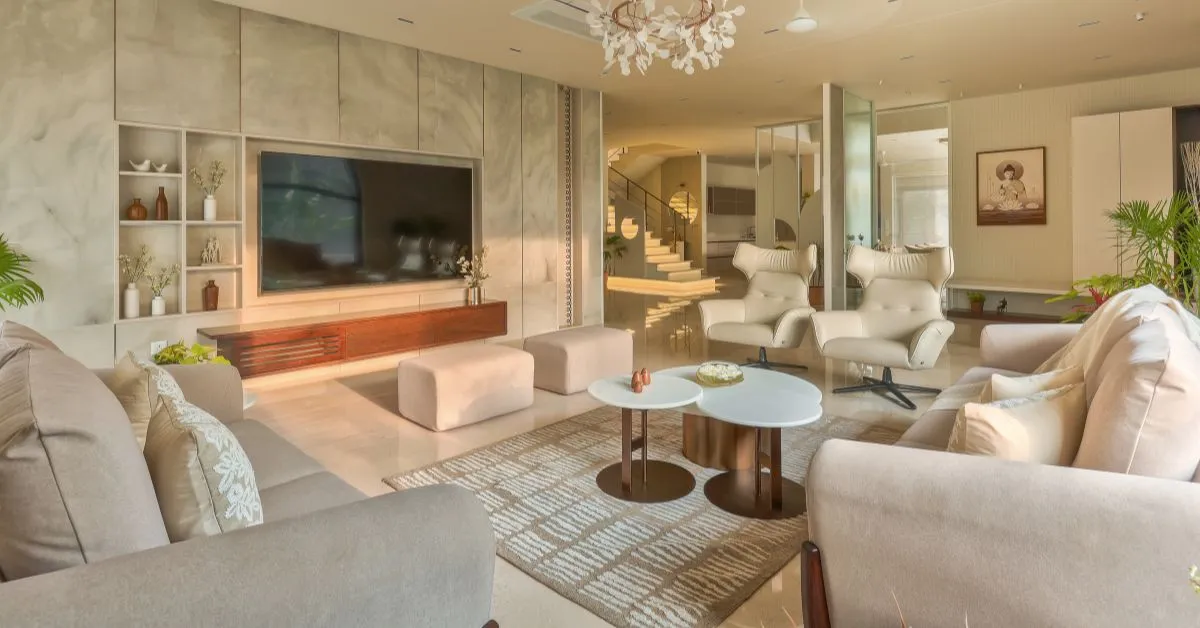
Modern villas are evolving beyond impressive exteriors and decorative structures. Today, architecture focuses on creating homes that support comfort, functionality, sustainability, and long-term living. Thoughtfully planned Modern Villa Architecture combines premium aesthetics with practical design solutions to create homes that feel spacious, efficient, and future-ready.
Many homeowners exploring Modern House Architecture Design now prefer villas that balance visual appeal with daily usability. Contemporary architecture focuses on smart layouts, natural lighting, ventilation, and efficient space planning to support modern lifestyles. From open living environments and seamless indoor-outdoor connections to sustainable materials and personalized layouts, modern villa architecture is designed around how families live.
Architecture today is not only about appearance. It is about creating homes that remain practical, comfortable, and timeless.
What is Modern Villa Architecture?
Well-planned Modern Villa Architecture focuses on creating premium homes that combine functionality, comfort, and contemporary design.
- Clean Architectural Lines: Modern villas use balanced forms and simple structures that create timeless appeal.
- Open Layout Planning: Interiors and outdoor areas connect seamlessly to improve movement and usability.
- Natural Light Integration: Large windows and open spaces improve brightness and comfort.
- Functional Design Thinking: Every architectural element supports lifestyle requirements and practical living.
Unlike traditional designs that may prioritize ornamentation, Modern Villa Architecture focuses on simplicity, utility, and long-term usability.
Why Modern Villa Architecture is Popular
Thoughtful Modern Villa Architecture has become increasingly popular because homeowners seek homes designed for real living experiences.
- Better Space Utilization: Open layouts reduce wasted areas and improve movement.
- Comfortable Family Living: Villas are planned around privacy, interaction, and convenience.
- Premium Visual Appeal: Balanced architectural forms create elegant homes.
- Long-Term Living Comfort: Future-ready layouts adapt to changing family requirements.
- Sustainable Design Opportunities: Modern architecture supports energy-efficient planning.
Many homeowners searching for Modern Architecture Home Design prefer villas that combine premium aesthetics with practical functionality.
Open Layout Architecture Trends
Contemporary Modern Villa Architecture increasingly focuses on open planning and flexible spaces.
- Connected Living Areas: Open layouts improve social interaction and movement.
- Indoor-Outdoor Integration: Gardens, courtyards, and terraces become natural extensions of interiors.
- Better Ventilation: Open planning improves airflow and thermal comfort.
- Flexible Room Usage: Spaces adapt to work, leisure, and family requirements.
- Spacious Interiors: Open environments create visually larger homes.
Modern villa planning prioritizes openness while maintaining privacy and comfort.
Modern Facade Design Trends
Well-planned facades play a major role in Modern Villa Architecture by shaping both identity and performance.
- Minimal Architectural Forms: Clean geometry creates timeless exteriors.
- Natural Material Use: Stone, wood, glass, and textured finishes add warmth.
- Balanced Proportions: Proportional designs improve visual harmony.
- Functional Elevation Design: Facades should support shading and ventilation.
- Premium Exterior Detailing: Thoughtful detailing improves architectural character.
Many homeowners exploring Modern Villa Design now prefer facades that appear elegant without excessive ornamentation.
Sustainable Architecture for Modern Villas
Sustainability has become an important part of Modern Villa Architecture.
- Energy-Efficient Planning: Proper orientation reduces heat gain and improves efficiency.
- Natural Ventilation Design: Cross-ventilation supports comfort and reduces dependency on cooling systems.
- Eco-Friendly Materials: Sustainable materials improve long-term performance.
- Daylight Optimization: Natural light reduces electricity usage.
- Water-Conscious Design: Landscape and drainage planning improve environmental efficiency.
Modern villa architecture increasingly supports sustainable and maintenance-friendly living.
Smart Space Planning in Villa Architecture
Professional Modern Villa Architecture depends on intelligent space planning and movement flow.
- Zoning Concepts: Public and private spaces should be organized carefully.
- Circulation Planning: Smooth movement improves comfort.
- Functional Room Placement: Room locations should support convenience and privacy.
- Storage Integration: Architecture should support organized living.
- Adaptable Design: Homes should support future lifestyle changes.
Modern homeowners interested in Modern Home Architecture often prioritize practical planning over oversized layouts.
Modern Staircase and Vertical Design Trends
Vertical movement plays an important role in Modern Villa Architecture.
- Floating Staircases: Contemporary staircases improve openness.
- Natural Light Around Staircases: Bright vertical spaces improve interior quality.
- Safety and Comfort: Staircase dimensions should support comfortable movement.
- Architectural Focal Points: Staircases can enhance interior character.
- Integrated Design Approach: Vertical planning should align with overall architecture.
Thoughtful staircase planning improves both functionality and architectural appeal.
Premium Material Trends in Villa Architecture
Material selection significantly influences Modern Villa Architecture.
- Natural Stone Finishes: Stone provides durability and timeless appeal.
- Glass Integration: Glass improves openness and natural light.
- Warm Textured Materials: Wood and textured surfaces add comfort.
- Low-Maintenance Materials: Durable materials reduce upkeep.
- Climate-Responsive Materials: Material selection should support local conditions.
Modern architecture combines premium materials with practical performance and long-term durability.
Modern Villa Architecture Cost in India
Well-planned Modern Villa Architecture costs depend on plot size, design complexity, material selection, and construction scope.
- Architectural Design Fees: Costs vary according to customization and planning requirements.
- Structural Planning Costs: Structural systems influence project budgets.
- Material Selection Impact: Premium materials affect pricing and durability.
- Sustainable Design Features: Eco-conscious systems may influence investment.
- Construction Complexity: Design detailing and site conditions impact overall costs.
Importance of Long-Term Living in Villa Architecture
Modern Villa Architecture should support comfort and functionality for years.
- Future-Ready Homes: Flexible designs adapt to evolving lifestyles.
- Maintenance-Friendly Architecture: Durable materials reduce upkeep.
- Comfort-Focused Planning: Architecture should improve daily living.
- Practical Aesthetics: Visual appeal should support usability.
- Timeless Design Thinking: Homes should remain relevant beyond trends.
Long-term planning helps villas remain practical, elegant, and comfortable.
Modern Villa Architecture Trends for 2026
Emerging Modern Villa Architecture trends focus on practical living and premium design experiences.
- Minimal Premium Architecture: Balanced designs replace excessive detailing.
- Smart Home Integration: Technology improves convenience and control.
- Sustainable Construction: Eco-conscious planning continues growing.
- Multi-Functional Spaces: Flexible homes support changing lifestyles.
- Biophilic Design: Nature integration improves comfort and wellness.
Modern villas increasingly combine architecture, functionality, and sustainability.
Frequently Asked Questions
Q1. What is modern villa architecture?
Modern Villa Architecture focuses on functional layouts, contemporary aesthetics, and comfortable living environments.
Q2. Why is modern villa architecture popular?
Modern villas provide better space planning, comfort, premium aesthetics, and long-term usability.
Q3. What materials are commonly used in modern villas?
Stone, glass, wood, textured finishes, and durable materials are widely used.
Q4. How does sustainable architecture improve villas?
Sustainable planning improves energy efficiency, comfort, and environmental performance.
Q5. Why is space planning important in villa architecture?
Space planning improves privacy, movement, comfort, and daily usability.
Conclusion
Well-planned Modern Villa Architecture creates homes designed around comfort, utility, and long-term living. From smart space planning and sustainable design to premium materials and contemporary facades, modern villas combine aesthetics with functionality.
Homeowners exploring Modern House Architecture Styles now prefer architecture that supports practical lifestyles rather than appearance alone. Thoughtful planning, natural light, adaptable layouts, and premium design solutions help create homes that remain elegant and functional for years.
Modern villa architecture is not simply about building homes. It is about designing better living experiences.
Expert Interior Design Services for Every Space
Interior Designer in Vadodara | Interior Designer in Gandhinagar | Interior Designer in Mumbai | Interior Designer in Anand | Interior Designer in Surat | Interior Designer in Ahmedabad