
Luxury Villa Interior Design Ideas for High-End Homes
Designing a high-end villa requires more than selecting expensive furniture or decorative finishes. The real challenge is creating a cohesive living environment where architecture, proportions, materials, lighting, and personal preferences work together. Spacious rooms offer greater design possibilities, but they also require careful planning to avoid empty, disconnected, or impractical spaces.
Thoughtful Interior Design brings these elements together to create a home that feels sophisticated, comfortable, and functional. From statement entrance foyers and double-height living rooms to personalised master suites and indoor-outdoor connections, the following ideas explore how high-end villas can balance visual character with everyday living.
1. Create an Impressive Entrance Foyer
The entrance establishes the first impression of a villa. Instead of filling it with decorative objects, create a clear focal point using a distinctive console, an artwork, a textured wall, or carefully selected lighting.
Stone flooring, wood panelling, and understated metal details can introduce character when they complement the home's architecture. Keep the pathway clear and provide practical space for essentials where needed.
A considered Premium Villa Interior Design approach ensures the entrance feels welcoming and connected to the living areas rather than appearing like a separate decorative display.
2. Design Double-Height Living Rooms with Balanced Proportions
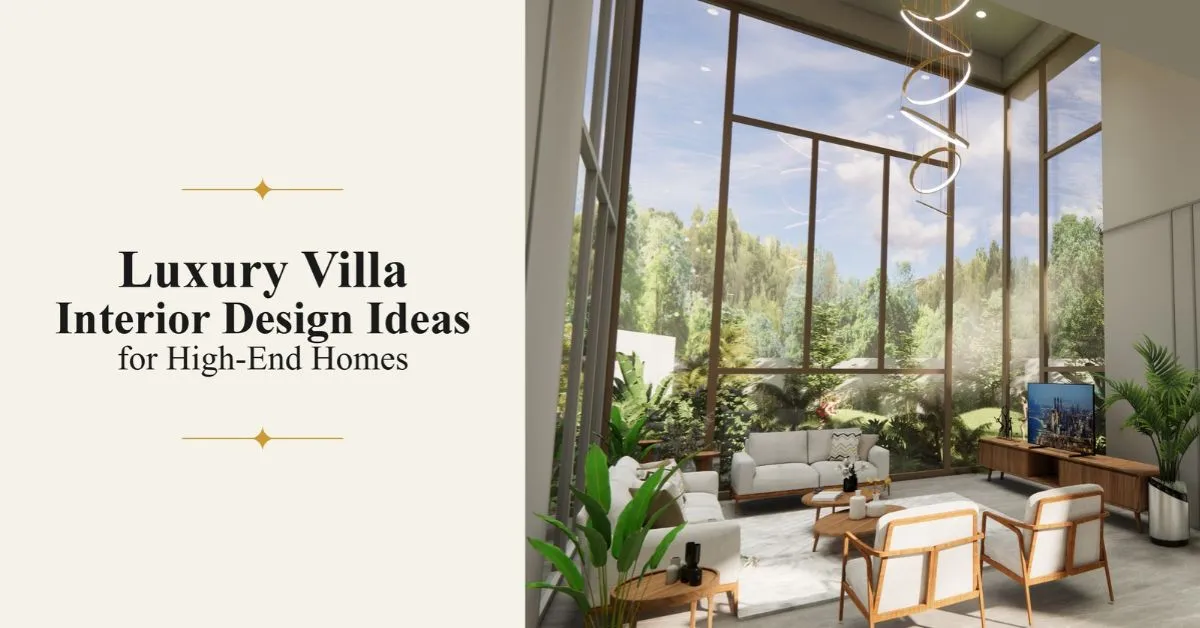
Double-height living rooms can create a strong sense of openness, but their scale requires careful coordination. Furniture that is too small may feel lost, while oversized pieces can obstruct movement and overwhelm the space.
Consider appropriately scaled seating, large artwork, selected wall finishes, and statement pendant lighting. Curtains extending across tall windows can also emphasise vertical proportions where suitable.
The goal of High-End Home Interior Design is to make generous spaces feel intentional and comfortable, with clear seating arrangements and lighting suited to different activities.
3. Combine Premium Materials Thoughtfully
High-end interiors often gain character from the way materials work together, not simply from their individual cost. Natural stone, quality wood finishes, glass, metal accents, and textured fabrics can create contrast when their colours and finishes are coordinated.
For example, a stone feature wall may complement wood panelling and neutral upholstery, while a restrained metal finish introduces definition. In kitchens and bathrooms, durability, moisture resistance, cleaning, and maintenance should guide material selection. A thoughtful Interior Design approach ensures that each material complements the villa's architecture while balancing visual appeal with long-term practicality.
Use distinctive finishes selectively so that important surfaces stand out without making the overall interior feel visually crowded.
4. Make the Staircase an Architectural Feature
In a multi-storey villa, the staircase can contribute significantly to the interior's character. Its shape, handrail, material palette, and lighting should relate to the surrounding architecture.
Depending on the design, timber treads, glass balustrades, stone finishes, or metal detailing can create a distinctive appearance. Lighting along steps or adjacent walls can improve visibility and highlight the staircase without excessive decoration. Thoughtful Interior Design helps integrate these features with the villa's overall style.
Structural requirements, safe dimensions, and suitable materials must remain priorities. A visually striking staircase should also provide comfortable, practical access between floors.
5. Create a Master Suite with Privacy and Functionality
A master suite can combine sleeping, dressing, and relaxation areas where space permits. The bed should anchor the room, while wardrobes, bedside storage, and lighting are arranged to support daily routines.
An integrated dressing area, a well-organised wardrobe, or a private seating corner may improve usability. Soft textures, coordinated finishes, and appropriate window treatments can make the bedroom feel restful without relying on excessive ornamentation.
Effective Interior Design considers privacy, circulation, ventilation, and storage alongside appearance so the master suite functions as a comfortable personal retreat.
6. Use Layered Lighting to Highlight Architectural Details
A villa benefits from a lighting plan that responds to different spaces and activities. General lighting provides overall visibility, task lighting supports specific activities, and accent lighting highlights selected architectural or decorative features.
Statement pendants may define double-height spaces or dining areas, while concealed lighting can emphasise niches, wall textures, and selected cabinetry. In Interior Design, separate lighting controls allow homeowners to adjust the atmosphere for relaxation, entertaining, or everyday tasks.
Plan fixture positions alongside furniture layouts and electrical requirements to reduce glare, unwanted shadows, and awkward placement.
7. Choose Bespoke Furniture for Specific Needs
Custom furniture can help accommodate unusual dimensions, built-in storage, and individual preferences. Tailored wardrobes, media units, shelving, and cabinetry can create a coordinated appearance while making better use of available space. Thoughtful Premium Villa Interior Design ensures these pieces complement the villa's architecture and meet the homeowner's functional needs.
However, bespoke furniture is most valuable when it solves a real design challenge. Standard furniture may be more suitable when it meets the required dimensions, comfort, and aesthetic needs.
A well-planned villa should balance personalisation with practicality rather than making every item custom-built.
8. Connect Indoor Living Areas with Outdoor Spaces
Where a villa includes a garden, courtyard, balcony, or terrace, the interior can be designed to connect naturally with these areas. Large windows, suitable sliding doors, complementary finishes, and carefully planned furniture arrangements can strengthen the visual relationship.
Consider sunlight, shading, privacy, ventilation, and weather exposure before choosing materials or window treatments. Outdoor furniture should also suit the conditions in which it will be used. A thoughtful High-End Home Interior Design approach helps create a seamless visual connection between indoor comfort and outdoor living.
This approach can make outdoor areas more useful while maintaining a comfortable and coherent interior environment.
9. Design a Dining Area for Entertaining
A dedicated dining area should accommodate the household's needs while allowing guests to move comfortably around the table. Select furniture that suits the room's proportions and leaves sufficient space for chairs and serving routes.
A statement pendant, coordinated wall finish, or carefully chosen artwork can give the area its own identity. Storage for tableware and convenient access to the kitchen can also make entertaining easier. Thoughtful Interior Design helps create a dining space that feels cohesive with the villa's overall style while supporting comfortable gatherings.
The best dining spaces combine presentation with comfort, circulation, and everyday usability.
10. Personalise Spaces Around Your Lifestyle
A high-end villa should reflect how its owners actually live. Depending on their priorities, this could include a home office, reading lounge, entertainment room, dedicated dressing area, or a practical utility space.
Plan each area around its intended purpose, including lighting, acoustics, storage, and furniture requirements. Avoid adding features simply because they appear in other high-end homes.
A thoughtful Interior Design plan connects personalised spaces through consistent materials, colours, and architectural details while allowing each room to serve a distinct function.
Frequently Asked Questions
Q1. What are the key features of high-end villa interiors?
Key features include well-planned layouts, distinctive architectural details, quality materials, layered lighting, comfortable furniture, and personalised spaces.
Q2. Which materials are suitable for premium villa interiors?
Stone, quality wood finishes, glass, metal accents, and textured fabrics can work well when selected according to durability, maintenance, and the intended application.
Q3. How can a double-height living room be designed effectively?
Use appropriately scaled furniture, statement lighting, carefully selected wall features, and balanced seating arrangements to make the space feel cohesive and comfortable.
Q4. Why is lighting important in villa interior design?
Layered lighting improves visibility, highlights architectural features, and allows different areas to support relaxation, entertaining, and everyday activities.
Q5. Should high-end villas include custom furniture?
Custom furniture is useful when it improves space utilisation, storage, proportions, or personalisation. Standard furniture can work equally well when it meets the home's requirements.
Conclusion
Successful high-end villa interiors combine architectural character, carefully selected materials, balanced proportions, layered lighting, and spaces tailored to the homeowner's lifestyle. The aim is not to fill every room with expensive features, but to make each design decision contribute to comfort, functionality, and visual harmony.
By approaching Interior Design as a connected process rather than a collection of decorative choices, homeowners can create a villa that feels distinctive, welcoming, and practical for long-term living.
Expert Interior Design Services for Every Space
Interior Designer in Vadodara | Interior Designer in Gandhinagar | Interior Designer in Mumbai | Interior Designer in Anand | Interior Designer in Surat | Interior Designer in Ahmedabad
-